
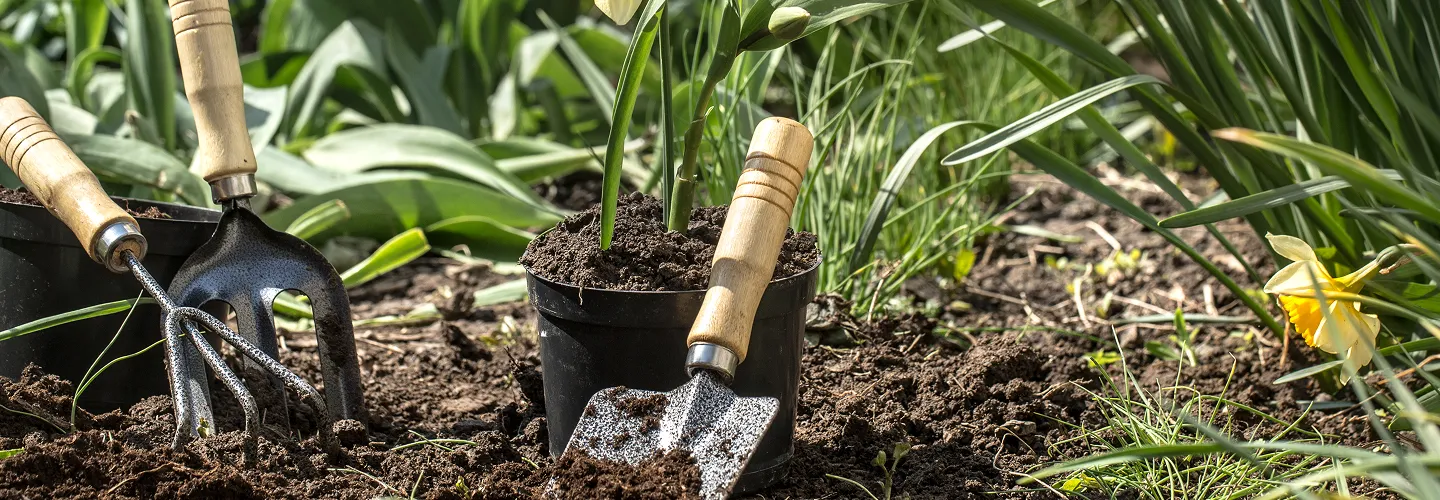
Estero Flower Planting Services
Choose our flower planting services for vibrant, expertly arranged blooms that enhance your curb appeal and thrive in Estero’s unique climate—bringing lasting beauty to your home or business.
Get a Free QuoteOur Estero Landscaping & Yard Care Services
When to Schedule Flower Planting in Estero, Florida – Seasonal Guide
Flower planting in Estero, Florida, is best scheduled with careful attention to our region’s unique subtropical climate and local landscape features. The optimal planting windows typically fall between late October and early April, when cooler temperatures and reduced humidity create ideal conditions for establishing vibrant blooms. In neighborhoods like The Brooks and near Estero Community Park, residents benefit from slightly varied microclimates, but all should be mindful of the last frost date—usually in early February—and the onset of summer rains.
Local environmental factors play a significant role in successful flower planting. Estero’s sandy soils, common in areas around Coconut Point, require soil amendments for moisture retention, while shaded lots near the Estero River may need shade-tolerant varieties. Drought risk increases in late spring, so planning around irrigation schedules and municipal water restrictions is essential. For more information on local guidelines, visit the Town of Sudbury’s resource page.
Local Factors to Consider for Flower Planting in Estero
- Tree density and shade coverage, especially in established neighborhoods
- Soil type and drainage, with sandy soils prevalent in many areas
- Seasonal precipitation patterns and risk of drought
- Proximity to water features or wetlands
- Municipal restrictions on watering and planting
- Terrain variations, such as elevation changes near Estero Bay
- Local pest and disease pressures unique to Southwest Florida
Benefits of Flower Planting in Estero
Enhanced Curb Appeal
Increased Property Value
Expert Plant Selection
Seasonal Color Variety
Low-Maintenance Solutions
Professional Landscape Design
Estero Flower Planting Types

Annual Flower Beds
Colorful annuals provide vibrant seasonal displays in your landscape.
-
Perennial Flower Gardens
Perennials return year after year, offering lasting beauty and structure.
-
Native Wildflower Plantings
Native wildflowers support local pollinators and require less maintenance.
-
Shade Garden Flowers
Shade-loving flowers thrive under trees and in low-light areas.
-
Butterfly and Pollinator Gardens
Specially selected flowers attract butterflies, bees, and other pollinators.
-
Container Flower Arrangements
Versatile containers allow for creative flower displays on patios and entryways.
-
Drought-Tolerant Flower Beds
Drought-resistant flowers conserve water and flourish in dry conditions.
Our Flower Planting Process
Site Evaluation
Soil Preparation
Flower Selection
Planting
Watering and Mulching
Why Choose Estero Landscape Services
-
Estero Homeowners Trust Us
-
Expert Lawn Maintenance
-
Reliable Scheduling
-
Competitive Pricing
-
Professional Team
-
Satisfaction Guarantee
-
Personalized Service
Coordinating Flower Planting Projects with Estero's Municipal Departments and Programs
Flower planting in Estero requires awareness of the village's development standards, landscaping guidelines, and stormwater protection priorities. Property owners and managers undertaking planting projects—whether in residential beds, commercial frontages, or common areas—should coordinate with relevant municipal departments before beginning work that may affect drainage flow, right-of-way visibility, or neighborhood appearance standards. The Village of Estero's Parks & Recreation Department oversees public landscape standards and can provide guidance on planting within or adjacent to public greenspaces, medians, and trail corridors. For projects near swales, retention ponds, or canal edges, the village's Clean Water & Stormwater Program offers direction on preventing soil erosion and nutrient runoff during and after installation.
- Verify that proposed planting locations do not obstruct swale drainage, sidewalk visibility, or utility easements
- Confirm any HOA-specific planting restrictions before purchasing plant material
- Coordinate with village departments when planting near stormwater infrastructure or public rights-of-way
Estero Parks & Recreation
Official Website: Estero Parks & Recreation
Estero Clean Water & Stormwater Program
Official Website: Estero Clean Water & Stormwater Program
How Estero's Gulf Coast Climate and Soils Shape Flower Planting Decisions
Estero sits within USDA Hardiness Zone 10a, a subtropical Gulf Coast environment characterized by intense summer heat, high humidity, and a pronounced wet season from roughly June through October. These conditions directly influence which flower species establish successfully and how planting sites must be prepared. Soils across much of Estero are sandy and fast-draining, often consisting of fill material in newer subdivisions, which means nutrients leach quickly and organic amendment is typically necessary before planting. The high water table in many neighborhoods—particularly those adjacent to lakes, retention ponds, and the Estero River corridor—can saturate root zones during the wet season, making species selection and bed elevation critical. Salt exposure is a secondary factor for properties closer to Estero Bay, where wind-carried salinity can stress sensitive ornamentals.
- Sandy, low-organic soils require amendment with composted material to improve moisture retention and nutrient availability
- High humidity promotes fungal pressure on foliage; adequate plant spacing and air circulation reduce disease risk
- Reflected heat from driveways, walls, and parking areas intensifies thermal stress on flowers planted along hardscape edges
- Wet-season saturation demands raised bed profiles or species tolerant of periodic root-zone flooding
Residents can consult the USDA Plant Hardiness Zone Map and the USDA Web Soil Survey to confirm zone classification and review predominant soil characteristics for their specific parcel.
Navigating Estero's Code and Environmental Compliance for Flower Planting
While flower planting generally does not require a building permit, several regulatory layers apply in Estero. The village's Code Enforcement division monitors property maintenance standards, including frontage appearance, vegetation overgrowth, and compliance with approved landscape plans in planned developments. Properties within community development districts or HOA-governed subdivisions may face additional planting palette restrictions or bed-design requirements that must be verified before installation. Any planting activity near stormwater conveyances—including swales, retention ponds, lake banks, and canal edges—must avoid introducing loose soil, mulch, or fertilizer into the drainage system. The Florida DEP NPDES Stormwater Program establishes the broader framework for protecting surface water quality from landscape-related pollutant discharge. If soil amendments or fertilizers are applied during planting, awareness of Florida Statutes §403.9337 regarding Florida-Friendly fertilizer use on urban landscapes is advisable; verify current local fertilizer ordinance provisions through the village directly.
- Confirm that planting plans comply with any recorded landscape plan for the property or subdivision
- Prevent soil, mulch, and amendment material from entering curb inlets, swales, or retention areas during installation
- Verify whether the village enforces seasonal fertilizer application restrictions before amending beds at planting time
Estero Code Enforcement
Official Website: Estero Code Enforcement
Timing and Professional Standards for Flower Planting in Estero's Subtropical Conditions
Successful flower planting in Estero depends on aligning installation timing with the region's seasonal patterns and applying sound horticultural technique adapted to Gulf Coast conditions. The optimal primary planting window for warm-season annuals and perennials falls between mid-October and early May, when temperatures moderate and rainfall decreases, allowing root establishment without excessive heat stress or waterlogging. Summer planting is feasible for heat-tolerant species such as pentas, lantana, portulaca, and firebush, but requires careful irrigation management and protection from afternoon sun exposure during the establishment period.
- Prepare beds by incorporating two to three inches of organic compost into the top six to eight inches of sandy soil to improve water-holding capacity
- Install drip irrigation or micro-spray emitters before planting to ensure uniform moisture delivery without wetting foliage excessively
- Apply two to three inches of mulch around plantings, keeping mulch pulled back from stems to prevent crown rot in humid conditions
- Select species suited to the site's sun exposure, drainage profile, and salt tolerance where applicable
- Schedule planting for early morning or late afternoon to reduce transplant shock from midday heat
The EPA WaterSense Outdoors program provides additional guidance on efficient irrigation practices that support flower establishment while conserving water. Hydrozoning—grouping plants with similar water needs—is particularly important in Estero, where irrigation demand varies significantly between full-sun beds along south-facing walls and shaded beds beneath mature tree canopies.
What Neighborhoods Do We Serve Throughout Estero, FL?
- Coconut Point — Commercial-adjacent residential areas here feature high-visibility planting beds along walkways and entries, where heat-tolerant, low-maintenance flower selections perform well against reflected hardscape heat.
- The Brooks — This master-planned community includes extensive preserve and lake buffers, requiring flower planting that respects setback zones and avoids nutrient runoff into adjacent water features.
- Rapallo — Lake-front lots and community common areas in Rapallo benefit from salt-tolerant and moisture-adaptive flower species suited to the high water table conditions typical of this area.
- Estero Place — Smaller lot sizes and HOA-maintained frontages in Estero Place call for compact, colorful planting designs that comply with community appearance standards.
- Shadow Wood at The Brooks — Mature tree canopy throughout this golf-course community creates significant shade variation, making shade-tolerant flower species and careful sun-exposure assessment essential for bed success.
- West Bay Club — Waterfront and preserve-adjacent homesites in West Bay Club require planting approaches that account for wind exposure, salt drift, and stormwater sensitivity near Estero Bay.