
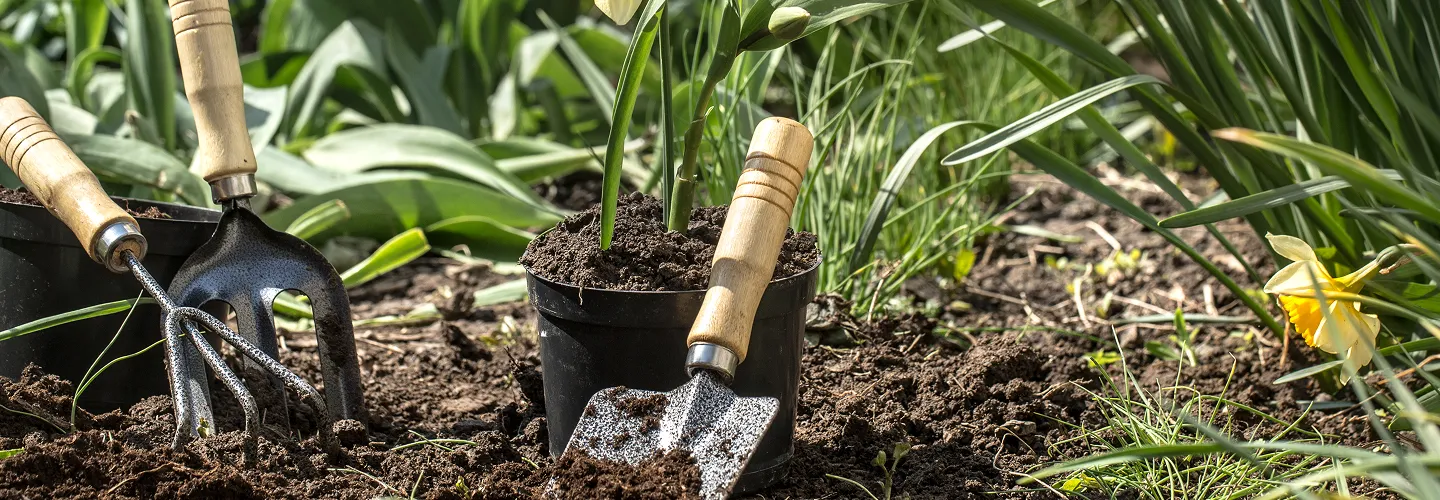
Estero Lawn Edging Services
Choose our expert lawn edging for a polished, professional look that enhances curb appeal, prevents grass overgrowth, and makes yard maintenance easier than ever.
Get a Free QuoteOur Estero Landscaping & Yard Care Services
When to Schedule Lawn Edging in Estero, Florida – Seasonal Guide
In Estero, Florida, the best times to schedule lawn edging are typically during the early spring and late fall. These periods align with the region’s subtropical climate, which features warm, humid summers and mild winters. By edging your lawn before the peak growing season, you can maintain crisp borders and prevent invasive grasses from overtaking flower beds and walkways. Neighborhoods like The Brooks and Bella Terra often see homeowners preparing their landscapes just after the last frost date in February or March, ensuring their yards look pristine as temperatures rise.
Local environmental factors play a significant role in determining the optimal timing for lawn edging. Estero’s sandy soils drain quickly, but areas with dense shade—such as those near Estero Community Park—may retain moisture longer, affecting grass growth and edging needs. High humidity and the risk of summer droughts also influence how often edging should be performed. For more information on local landscaping guidelines, visit the Town of Sudbury’s resource page.
Local Factors to Consider for Lawn Edging in Estero
- Tree density and shade coverage
- Soil type and drainage (sandy vs. clay)
- Seasonal precipitation and drought risk
- Proximity to landmarks like Estero River or Koreshan State Park
- Municipal restrictions or HOA guidelines
- Terrain slope and accessibility
Benefits of Lawn Edging in Estero

Enhanced Curb Appeal
Defined Landscape Borders
Reduced Weed Growth
Improved Lawn Maintenance
Increased Property Value
Long-Lasting Results
Estero Lawn Edging Types

Metal Lawn Edging
Metal edging offers a sleek, durable border for modern landscaping designs.
-
Plastic Lawn Edging
Plastic edging is flexible and cost-effective, ideal for curved garden beds.
-
Stone Lawn Edging
Stone edging provides a natural, timeless look for any landscape.
-
Brick Lawn Edging
Brick edging adds classic charm and strong definition to lawn borders.
-
Concrete Lawn Edging
Concrete edging delivers a sturdy, long-lasting solution for clean lines.
-
Wood Lawn Edging
Wood edging brings warmth and rustic appeal to garden spaces.
-
Rubber Lawn Edging
Rubber edging is eco-friendly and safe, perfect for family-friendly yards.
Our Lawn Edging Process
Site Evaluation
Marking Edges
Cutting Borders
Debris Removal
Final Inspection
Why Choose Estero Landscape Services
-
Estero Homeowners Trust Us
-
Expert Lawn Maintenance
-
Reliable Scheduling
-
Competitive Pricing
-
Professional Team
-
Satisfaction Guarantee
-
Personalized Service
Coordinating Lawn Edging Services with Estero's Public Works and Stormwater Programs
Lawn edging in Estero requires awareness of how turf borders interact with municipal drainage infrastructure, sidewalks, and right-of-way areas. The Village of Estero maintains an extensive network of swales, curb inlets, and stormwater conveyances that can be affected when edging debris—soil, grass clippings, and root fragments—enters the drainage system. Residents and property managers should ensure that all edging debris is collected from sidewalks, driveways, and curb lines immediately after service rather than being blown or washed into storm drains or roadside swales. Estero's Clean Water & Stormwater Program provides guidance on pollution prevention practices that apply directly to routine landscape maintenance activities, including edging along public-facing frontages.
- Keep all edging debris off paved surfaces that drain to curb inlets or canal edges
- Avoid edging into swale slopes or altering swale grade along the right-of-way
- Collect and bag or compost soil and root material displaced during mechanical edging
- Confirm current yard waste collection procedures through the village before placing vegetative debris curbside
Estero Public Works
9401 Corkscrew Palms Blvd, Estero, FL 33928
Official Website: Estero Public Works
How Estero's Sandy Soils and Subtropical Humidity Shape Lawn Edging Needs
Estero falls within USDA Hardiness Zone 10a and sits in a Gulf Coast subtropical climate characterized by intense summer heat, high humidity, and a pronounced wet season from roughly June through October. These conditions directly influence how quickly turf edges encroach onto hardscape surfaces and how frequently edging is needed. St. Augustinegrass—the dominant residential turf species in the area—produces aggressive stolons that readily creep across sidewalks, driveways, and bed borders during the warm, rainy months. Estero's predominantly sandy soils, consistent with coastal and fill-based profiles common in Lee County subdivisions, drain rapidly but offer limited resistance to lateral stolon growth. The high water table in many Estero neighborhoods further encourages shallow root spread along turf margins. According to UF/IFAS Lawn Maintenance and Care guidance, maintaining clean turf borders reduces moisture trapping that can promote fungal issues at lawn edges.
- St. Augustinegrass stolons can advance several inches per month during peak wet-season growth
- Sandy, low-organic soils allow roots and runners to spread laterally with minimal resistance
- High humidity and standing moisture at turf-hardscape junctions increase brown patch and gray leaf spot risk
- Edging frequency typically increases from May through September due to accelerated growth rates
- Properties adjacent to retention ponds, lakes, or canal banks require careful edging to avoid destabilizing shoreline vegetation
Estero's Code Enforcement and Stormwater Regulations Affecting Lawn Edging Practices
Property maintenance standards in Estero are enforced through the village's Code Enforcement division, which addresses overgrown vegetation, encroachment onto sidewalks and rights-of-way, and general frontage upkeep. Turf that extends across sidewalk joints or curb lines may trigger code compliance action, particularly in communities with deed-restricted covenants that supplement municipal standards. Edging work itself does not require a permit, but operators should be aware that altering grade within swales, drainage easements, or stormwater conveyance areas may require coordination with the village. The Florida DEP NPDES Stormwater Program establishes broader requirements for preventing pollutant discharge into municipal separate storm sewer systems, and routine edging debris qualifies as a potential contributor when improperly managed. Any herbicide application along edged borders must comply with FDACS pesticide applicator licensing requirements under Florida law.
- Verify current property maintenance standards with Estero Code Enforcement before allowing turf to overgrow hardscape edges
- Do not discharge edging debris, soil, or chemical residues into swales, retention areas, or canal banks
- Commercial operators applying herbicides along bed or sidewalk edges must hold valid FDACS certification
- Edging near stormwater infrastructure should preserve the designed flow path and grade of swales and inlets
Estero Code Enforcement
9401 Corkscrew Palms Blvd, Estero, FL 33928
Official Website: Estero Code Enforcement
Estero Clean Water & Stormwater Program
Official Website: Estero Clean Water & Stormwater Program
Timing and Methods for Professional Lawn Edging in Estero's Climate
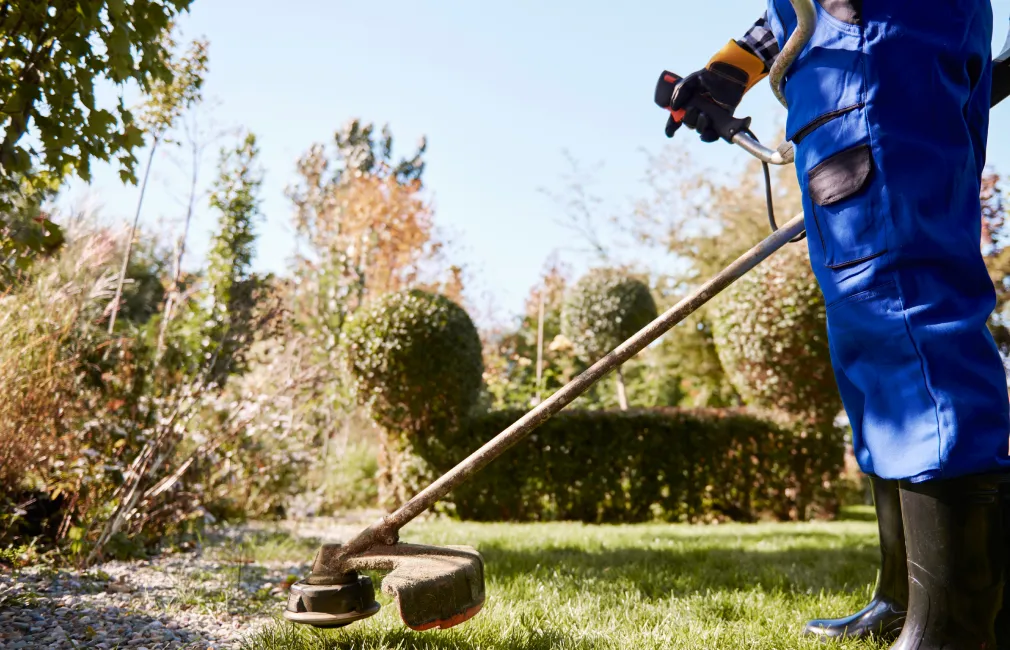
Effective lawn edging in Estero requires matching service frequency and technique to the region's growth cycles and weather patterns. During the wet season, St. Augustinegrass and other warm-season turf species grow rapidly enough to warrant edging on a weekly or biweekly cycle. In the cooler dry season from November through April, growth slows considerably, and monthly edging may suffice for most residential properties. Mechanical stick edgers and blade edgers are the standard tools for creating clean vertical cuts along sidewalks, driveways, and bed borders. According to UF/IFAS Gardening Solutions, maintaining a defined turf edge reduces competition between lawn and landscape beds while improving irrigation efficiency at transition zones.
- Edge to a depth of approximately 2–3 inches along hardscape borders to sever stolons cleanly
- Use a vertical blade orientation against concrete or paver edges to create a defined channel
- Blow or sweep all displaced soil and clippings back onto the lawn or into collection—never into the street or storm drain
- Reduce edging frequency during dormant or semi-dormant winter periods to avoid unnecessary turf stress
- Inspect bed borders and tree rings for stolon intrusion before each edging cycle, especially after heavy summer rains
What Neighborhoods Do We Serve Throughout Estero, FL?
- Coconut Point — Properties in this mixed-use area often feature compact lots with St. Augustinegrass borders along commercial-adjacent sidewalks, requiring frequent edging to maintain clean frontage lines.
- Rapallo — This gated community includes lake-adjacent homesites where edging near retention pond banks must be performed carefully to avoid disturbing shoreline stabilization plantings.
- Bella Terra — Deed-restricted lots in Bella Terra typically require consistent bed-edge and sidewalk-edge maintenance to meet HOA appearance standards throughout the wet season.
- Shadow Wood at The Brooks — Mature landscaping and preserve-adjacent lots create shaded turf margins where stolon growth patterns differ from full-sun areas, affecting edging depth and frequency.
- Estero Place — Smaller lot sizes and close sidewalk proximity in this community make regular edging essential for pedestrian clearance and code compliance along public walkways.
- West Bay Club — Waterfront and golf-course-adjacent properties in this community present unique edging challenges near canal edges, cart paths, and irrigated common areas.